A Nation’s Pride: Vietnam’s Spirited Remembrance of a Heroic Past
THE HANOI CHRONICLE — In mid-April, Dia Dao (The Tunnel), a film set during the war against America, was released and quickly captured the imagination of Vietnam’s youth. The movie follows a group of soldiers as they navigate narrow, underground passageways, and its release struck a chord with young audiences across the country.
The film’s powerful depiction of the soldiers’ journey, crawling through mud and fighting in silence below the enemy’s feet, resonated deeply with viewers. This was reflected in the enthusiastic online discussions, TikTok edits, and even cosplays that emerged in its wake. The Tunnel offered a fresh perspective on a well-known historical event, and its impact extended beyond the big screen.
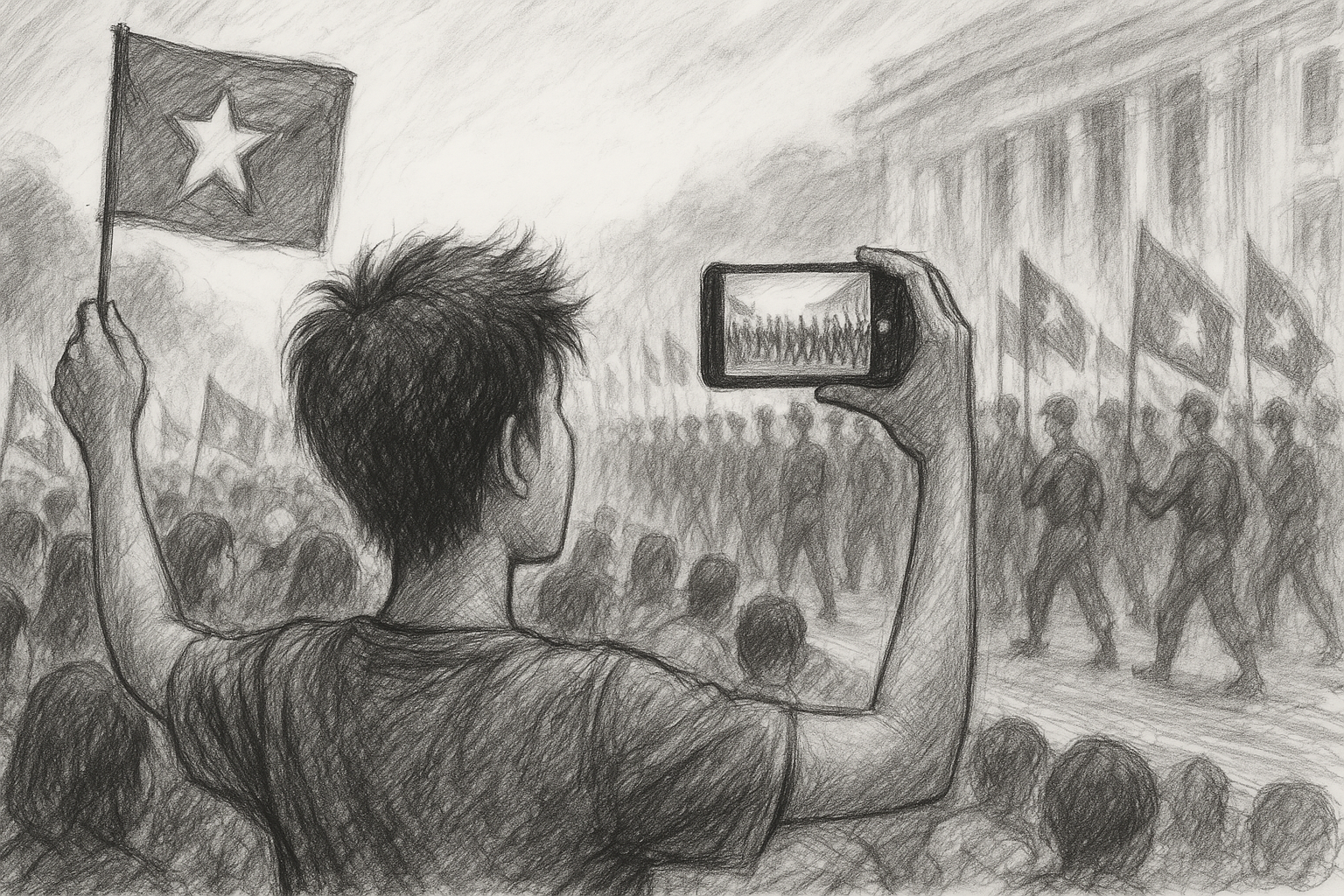
As the country approached April 30, the 50th Reunification Day Parade in Ho Chi Minh City became a testament to this shift. The night before, the city’s downtown streets buzzed with anticipation as people gathered to secure their spots. The parade itself was a spectacle, with formations of soldiers, veterans, youth volunteers, and students marching down Nguyen Hue Boulevard. But it was the crowd’s enthusiastic response that stole the show, as they clapped, livestreamed, and expressed their gratitude to the veterans.
This outpouring of national pride and emotion was evident in the stories of those who attended, like Kim Oanh, an office worker who proudly waved her small flag, and Le Thanh Son, a military officer who cycled into the city to join in the celebrations. The meaning of April 30, always political and historical, took on a new dimension as it became a popular cultural phenomenon.
This shift was noticeable even to veterans like Ngo Trong Que, who observed the enthusiastic welcome from the younger generation. It marked a change from past parades, as expressed by one veteran’s memory of marching decades ago, when “no one noticed [them].” Vietnam is now witnessing a transformation in how its history is remembered and honored.
The Tunnel and the parade symbolize this evolution, offering new avenues for people to connect with the past through cinema and public gatherings. While some may dismiss these displays as superficial, they serve as a crucial gateway to understanding. By engaging emotionally, history becomes more than just homework; it becomes a living, breathing part of our present.
This isn’t merely about a single parade or film, but a broader shift in how history is perceived and engaged with. It’s about the 20-year-old explaining April 30’s significance to her cousin, the veteran hearing applause instead of silence, and the decision to bear witness out of personal desire rather than obligation.
Even Ho Chi Minh City, once a battlefield, now stands as a testament to progress, with its lights, towers, and metro lines. The past still echoes, but now it resonates through modern mediums and the voices of a younger generation eager to carry those stories forward. Instead of questioning their interest in history, let’s embrace their curiosity and emotional connection to these events.


Nhận xét
Đăng nhận xét